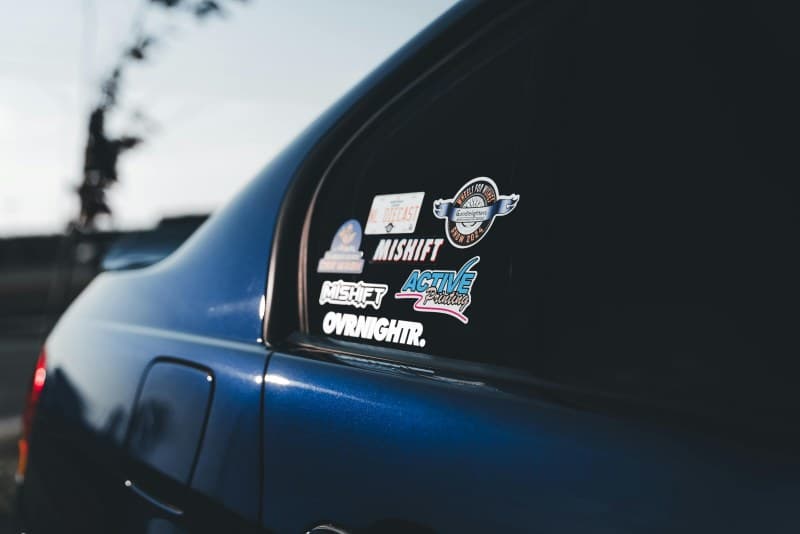
Last week, I bought a vintage ceramic mug from a thrift store—perfect for my morning coffee—until I noticed the price tag left a sticky, brown residue that wouldn’t budge. Scrubbing with soap and water only spread it, and I was worried about scratching the mug’s glaze. Sound familiar? Sticker residue is one of those tiny annoyances that can ruin a perfect find. But don’t worry—there are simple, household-friendly ways to get rid of it.
4 Go-To Methods for Sticker Residue Removal
1. Vinegar Soak 🥣
Vinegar’s mild acidity breaks down adhesive bonds without harsh chemicals. Soak a cloth in white vinegar, lay it over the residue for 5-10 minutes, then wipe away with a dry cloth. It works wonders on glass and plastic—like that old jam jar you want to repurpose.
2. Baking Soda Paste 🧂
Mix baking soda with a little water to make a thick paste. Apply it to the residue, let it sit for 10 minutes, then scrub gently with a soft brush (an old toothbrush works great). This method is ideal for wood and metal surfaces, as it’s abrasive but not scratchy.
3. Rubbing Alcohol Wipe 🍶
Dab a cotton ball in 70% or higher rubbing alcohol and rub the residue in circular motions. It dissolves glue quickly—perfect for last-minute fixes. Just test it on painted wood first, as it can strip some finishes.
4. Cooking Oil Massage 🍯
Apply a small amount of olive or coconut oil to the residue, let it sit for 15 minutes, then wipe with a clean cloth. This method is safe for delicate surfaces like vinyl, leather, or electronics—no harsh chemicals to damage sensitive materials.
Here’s how the 4 methods stack up for different needs:
| Method | Tools Needed | Time Required | Best Surfaces | Pros | Cons |
|---|---|---|---|---|---|
| Vinegar Soak | White vinegar, cloth | 5-10 mins | Glass, plastic | Natural, cheap | Smell lingers briefly |
| Baking Soda Paste | Baking soda, water, brush | 10 mins | Wood, metal | Abrasive but gentle | May leave powdery residue |
| Rubbing Alcohol | Rubbing alcohol, cotton ball | 1-2 mins | Most surfaces (test painted) | Fast-acting | Dries skin if not rinsed |
| Cooking Oil | Olive/coconut oil, cloth | 15 mins | Vinyl, leather, electronics | Moisturizes surfaces | Needs extra soap rinse |
“Patience is bitter, but its fruit is sweet.” — Aristotle
This rings true for sticker residue removal. Rushing to scrub can scratch surfaces, but letting the method work its magic (like the vinegar soak or oil massage) leads to a spotless finish.
Quick FAQ: Common Questions About Residue Removal
Q: Will these methods damage my surface?
A: Usually not, but always test a small, hidden area first. For example, rubbing alcohol can strip paint from wood, so test it on the back of the item before applying to a visible spot. For delicate surfaces like leather, stick to the oil method.
Pro Tips for Spotless Results
- For extra stubborn residue, combine two methods: try a vinegar soak followed by a baking soda paste to break down tough glue.
- Use a plastic scraper (like an old credit card) to gently lift residue after treatment—avoid metal scrapers to prevent scratches.
- Wipe the surface with warm, soapy water after removal to get rid of any leftover cleaner or oil.
Next time you’re stuck with sticker residue, don’t reach for harsh chemicals. These household hacks are cheap, easy, and kind to your surfaces—so you can enjoy your thrifted finds or repurposed jars without the sticky mess.