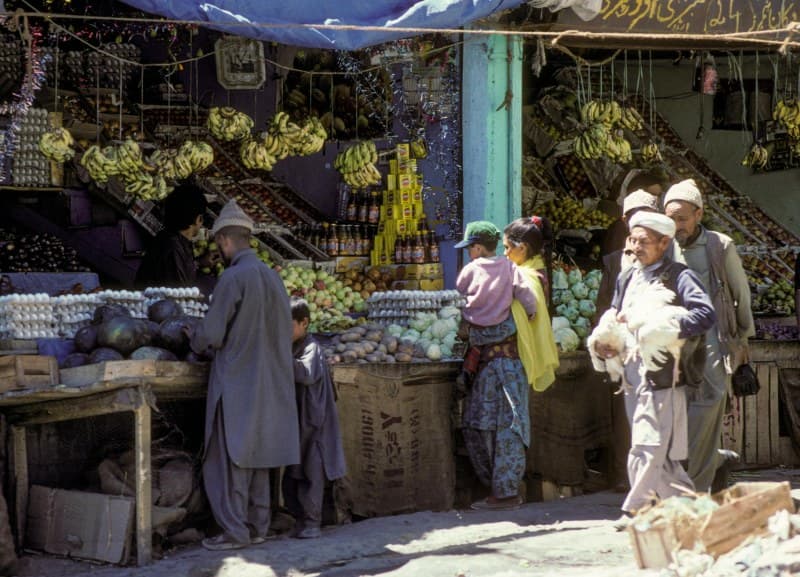
Last year in Marrakech, I wandered into a bustling souk after getting lost in the labyrinthine streets. The air smelled of cumin and grilled lamb, and a vendor waved me over to try his tagine. It was messy, flavorful, and nothing like the tourist-friendly versions I’d had before. That moment made me realize: local food markets are the heart of any destination, but not all markets are the same.
The 4 Types of Local Food Markets You Need to Visit
Each market type offers a unique slice of culture. Here’s a breakdown to help you pick the right one for your trip:
| Market Type | Best For | Must-Try Dish | Key Etiquette |
|---|---|---|---|
| Night Markets | Evening snacking & vibrant atmosphere | Taiwan’s Shilin Night Market: Stinky tofu or oyster omelet | Bring cash—many stalls don’t take cards. |
| Farmers’ Markets | Fresh produce & artisanal goods | Portland Saturday Market: Homemade jams or farm-to-table sandwiches | Ask before touching produce; support small vendors. |
| Street Food Markets | Quick, affordable local eats | Mexico City’s El Huequito: Al pastor tacos | Wait your turn—don’t cut lines. |
| Covered Markets | Year-round shopping & cultural immersion | Istanbul’s Grand Bazaar: Turkish delight or baklava | Dress modestly (some markets are in conservative areas). |
Common Myths About Food Markets (Debunked)
Let’s clear up some misconceptions:
- Myth 1: All market food is unsafe. Fact: Look for stalls with long lines (local approval) and fresh, cooked-to-order dishes.
- Myth 2: You have to bargain for everything. Fact: In farmers’ markets, prices are often fixed; in souks, gentle bargaining is expected but not mandatory.
- Myth 3: Markets are only for cheap eats. Fact: Many covered markets have high-end artisanal products like handcrafted cheeses or specialty chocolates.
Pro Tips for Market Adventures
Make the most of your visit with these tips:
- Arrive early: Fresh produce and popular dishes sell out fast.
- Ask vendors for recommendations: They know the best hidden gems.
- Bring a reusable bag: Reduce waste and carry your finds easily.
- Respect local customs: For example, in some markets, it’s rude to eat while walking—find a seating area.
“Food is everything we are. It’s an extension of nationalist feeling, ethnic feeling, your personal history, your province, your region, your tribe, your grandma. It’s inseparable from those from whom you come.” — Anthony Bourdain
This quote rings true at every market. Each dish tells a story of the people and place it comes from.
FAQ: Your Market Questions Answered
Q: Is it okay to take photos of vendors or their food?
A: Always ask first. Some vendors love sharing their craft, but others prefer privacy. A smile and a polite request go a long way.
Q: How do I communicate with vendors if I don’t speak the local language?
A: Use gestures, point to what you want, or learn a few key phrases like “please” and “thank you.” Many vendors understand basic English or have picture menus.
Next time you travel, skip the tourist restaurants and head to a local market. You’ll taste authentic flavors, meet friendly people, and make memories that last a lifetime.