Last month, my friend Lila pulled three all-nighters to finish a work project. By the fourth day, she had a sore throat, runny nose, and fever. She blamed bad luck, but her doctor pointed to her lack of sleep—explaining it weakened her immune system, making her an easy target for the virus going around her office. It’s a common story, but how exactly does sleep tie to immunity?
The Sleep-Immune Link: What Science Says
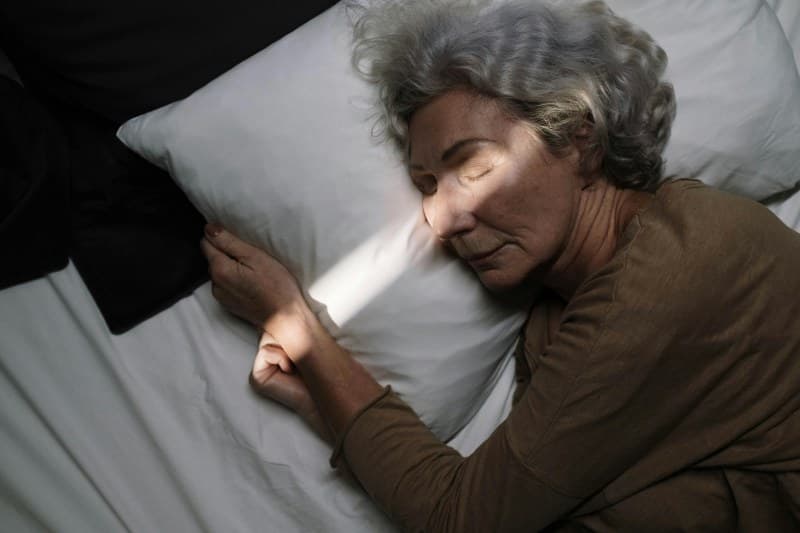
Your body doesn’t just rest when you sleep—it works overtime to repair and protect itself. Immune cells like cytokines (proteins that fight inflammation) and T-cells (which target infected cells) are produced and activated during sleep. Without enough rest, these cells can’t do their jobs effectively.
Different sleep stages play unique roles in supporting your immune system. Here’s a quick breakdown:
| Sleep Stage | Immune Activity | Key Benefit |
|---|---|---|
| NREM (Deep Sleep) | High production of cytokines and growth hormones | Reduces inflammation and repairs tissue |
| REM (Dream Sleep) | Activation of T-cells and memory consolidation for immune responses | Helps your body remember how to fight past infections |
4 Surprising Ways Sleep Boosts Immunity
1. It Supercharges Your T-Cells 🔬
T-cells are your immune system’s soldiers—they hunt down and destroy infected cells. A 2019 study found that people who slept less than 6 hours a night had T-cells that were 30% less effective at attaching to infected cells. Think of it like sending soldiers into battle without their gear.
2. It Reduces Chronic Inflammation
Chronic inflammation is linked to everything from heart disease to autoimmune disorders. Deep sleep lowers levels of pro-inflammatory cytokines, keeping your body’s immune response balanced. Skipping sleep, on the other hand, ramps up inflammation—like leaving a fire burning in your body.
3. It Helps Your Body Remember Infections
REM sleep is when your brain consolidates memories—including how to fight off past viruses. This means if you get exposed to the same bug again, your immune system can respond faster. No REM sleep? Your body might forget how to defend itself.
4. It Supports Antibody Production
Antibodies are proteins that recognize and neutralize foreign invaders. Studies show that people who get enough sleep after getting a vaccine have higher antibody levels—meaning the vaccine works better. So if you’re getting a flu shot, don’t skip sleep that night!
Common Myths About Sleep & Immunity (Debunked)
Myth: You Only Need 5 Hours of Sleep If You’re Healthy
False. The CDC recommends 7-9 hours of sleep for adults. Even if you feel fine on 5 hours, your immune system is likely suffering. A 2020 study found that adults who slept less than 7 hours were 3 times more likely to get a cold.
Myth: Napping Can Replace Nightly Sleep
Partially false. Naps can help reduce fatigue, but they don’t replace the deep and REM sleep you get at night. For immune health, consistent nightly sleep is key.
Practical Tips to Sleep Better for Immunity
- Stick to a consistent sleep schedule—even on weekends.
- Keep your bedroom dark, cool, and quiet (use blackout curtains or a white noise machine if needed).
- Avoid screens 1 hour before bed (blue light suppresses melatonin, the sleep hormone).
- Limit caffeine after 2 PM.
FAQ: Your Sleep & Immunity Questions Answered
Q: Can I make up for lost sleep on weekends to boost my immunity?
A: While catching up on sleep can help reduce fatigue, it doesn’t fully reverse the immune damage from chronic sleep loss. Consistency is better—aim for 7-9 hours every night.
Sleep is the best medicine.
This age-old proverb isn’t just a saying—it’s backed by science. Sleep fuels your immune system, helping you fight off illness and stay healthy. So tonight, skip the late-night scroll and give your body the rest it needs to protect you.