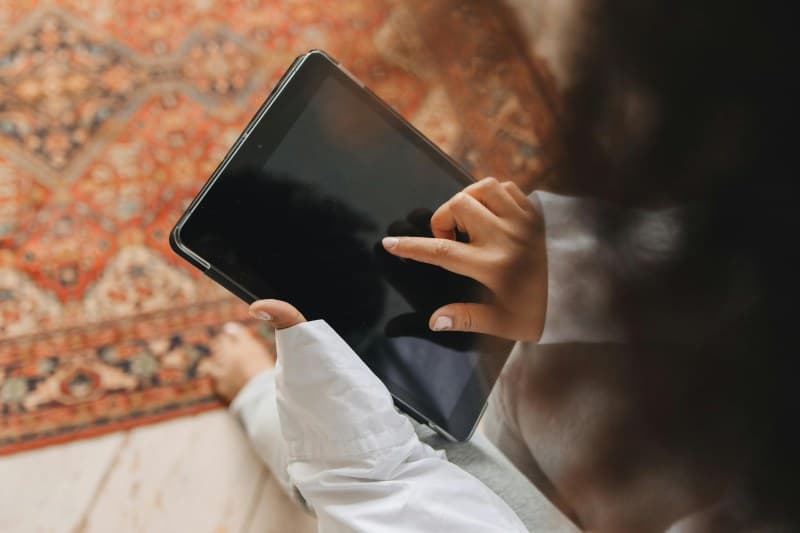
Last week, I stayed up scrolling through social media until 1 AM, even though I knew I had an early meeting. The next day, my brain felt like it was wading through molasses: I forgot my keys, zoned out in the meeting, and couldn’t focus on writing. Sound familiar? We all know screen time can be draining, but do we really understand how it affects our brains?
4 Surprising Ways Screen Time Shapes Your Brain 🧠
1. It rewires your attention span
Every notification, like, or new post triggers a small hit of dopamine. Over time, your brain starts craving these quick rewards, making it harder to focus on tasks that take longer (like reading a book or writing a report). A 2023 study found that heavy screen users are 3x more likely to struggle with sustained attention.
2. It disrupts your sleep cycle
The blue light from screens suppresses melatonin, the hormone that helps you fall asleep. Even 30 minutes of screen time before bed can delay your sleep by an hour. I once tried reading a tablet before bed and woke up at 3 AM wide awake—never again.
3. It dulls your creativity
Passive scrolling doesn’t require active thinking. When you’re constantly consuming content, your brain gets used to being fed information instead of generating it. A friend who’s a painter noticed that after cutting down screen time, her ideas flowed more easily.
4. It increases stress levels
Social media comparison (seeing others’ "perfect" lives) and the pressure to respond quickly to messages can raise cortisol (the stress hormone). A survey found that 60% of teens feel anxious after using social media for more than 2 hours a day.
Here’s a quick breakdown of the key effects and simple fixes:
| Effect on Brain | How It Feels | Quick Fix |
|---|---|---|
| Shortened attention span | Zoned out, easily distracted | Try the Pomodoro technique: 25 mins work, 5 mins screen break (no social media) |
| Sleep disruption | Groggy, hard to fall asleep | Use blue light filters or switch to a physical book 1 hour before bed |
| Diminished creativity | Stuck for ideas, uninspired | Take a 10-min walk without your phone to let your mind wander |
| Increased stress | Anxious, overwhelmed | Unfollow accounts that make you feel bad; set "do not disturb" for 1 hour daily |
Common Myths About Screen Time Debunked 💡
Let’s clear up some misconceptions:
- Myth: All screen time is bad. Fact: Educational apps, video calls with family, or creative tools (like editing photos) can be beneficial. It’s the type and intent that matter.
- Myth: Kids under 2 shouldn’t use screens at all. Fact: The American Academy of Pediatrics says limited, interactive screen time (like video calls with grandparents) is okay for toddlers.
FAQ: Is there a "perfect" amount of screen time?
Q: I work from home and need to use my computer all day. How do I balance that with screen time limits?
A: It’s not just about total time—it’s about balance. Try taking a 5-min break every hour to stretch and look away from the screen. Also, separate work screens from leisure screens: don’t scroll social media on your work laptop.
"Everything in moderation, including moderation." — Oscar Wilde
This quote reminds us that screen time isn’t inherently evil. It’s about finding a balance that works for you. You don’t have to quit social media cold turkey—just be intentional about when and why you use it.
My friend Lisa used to spend 4 hours a day scrolling Instagram. She noticed she was unhappy about her body and had trouble focusing at work. So she set a rule: no Instagram after 7 PM. Within a week, she slept better and started painting again (a hobby she’d abandoned). Now, she uses Instagram only to follow artists and friends, not to compare herself to others.
Screen time is a tool—like a hammer or a book. It can be helpful or harmful, depending on how you use it. By understanding its effects on your brain, debunking myths, and making small changes, you can take control of your digital life and feel more focused, creative, and calm.