Ever found yourself at the end of the month wondering where all your money went, even though you meant to save? You’re not alone. Saving doesn’t have to be a chore—sometimes, it’s about tapping into small psychological triggers that make the habit stick without feeling like a sacrifice. Let’s dive into four surprising ones that work for many people, plus bust a few myths along the way.
1. The “Anchor Habit” Trigger: Tie Saving to a Daily Routine
Myth: Saving requires big, intentional decisions every day. The truth: You can anchor saving to something you already do. For example, every time you make your morning coffee, transfer $1 to your savings account. This trigger works because it turns saving into an automatic part of your routine—no willpower needed. Over a year, that’s $365 saved without even thinking.
2. The “Visual Progress” Trigger: See Your Savings Grow
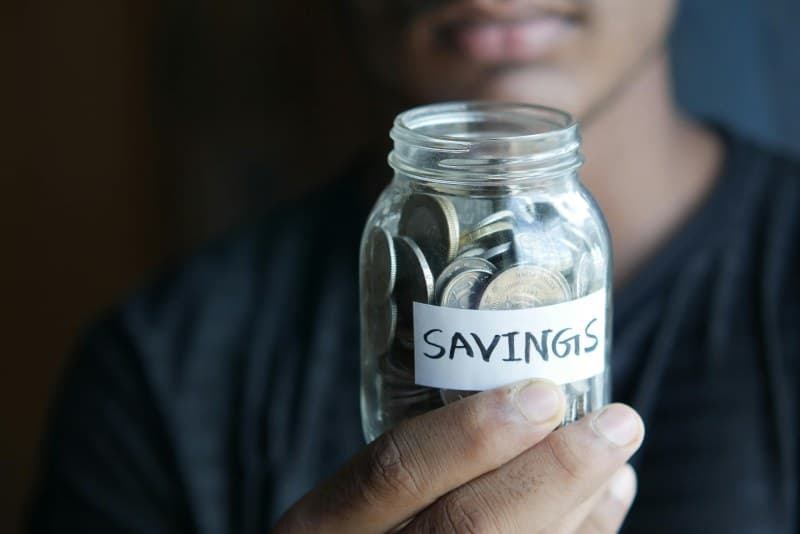
Take my friend Lila, who wanted to save for a weekend mountain trip. She tried automatic transfers but kept forgetting to adjust them. Then she used a clear jar labeled “Mountain Getaway.” Every payday, she put $20 cash in it. Within three months, the jar was half full, and she could see her goal getting closer. This visual reminder kept her from splurging on unnecessary shirts—she’d look at the jar and choose the trails over the mall.
3. The “Small Win” Trigger: Celebrate Tiny Milestones
Myth: You only celebrate when you hit big savings goals. The truth: Small wins keep you motivated. When you save $500, reward yourself with something cheap—like a coffee from your favorite shop or a movie night. This reinforces the habit: your brain links saving to positive feelings, making it easier to keep going.
4. The “Loss Aversion” Trigger: Frame Saving as Avoiding Loss
Instead of thinking, “I’m giving up this dinner out,” think, “I’m not losing out on my future vacation.” Loss aversion is a psychological quirk where we hate losing something more than we love gaining it. This trigger shifts your mindset: saving isn’t a sacrifice—it’s protecting your future self from missing out on what you want.
Here’s how the four triggers stack up:
| Trigger Type | Effort Level | Immediate Impact | Implementation Tip |
|---|---|---|---|
| Anchor Habit | Low | Consistent small savings | Tie to a daily action (e.g., brush teeth → transfer $1) |
| Visual Progress | Medium | Motivation boost | Use a jar (cash) or app with a progress bar |
| Small Win Celebration | Low | Reinforces habit | Reward with something cheap (e.g., favorite coffee) |
| Loss Aversion | Medium | Changes mindset | Frame saving as “keeping” your future goal |
“The habit of saving is itself an education; it fosters every virtue, teaches self-denial, cultivates the sense of order, trains to forethought, and so broadens the mind.” — T.T. Munger
This quote hits home because these triggers aren’t just about saving money—they’re about building habits that shape your future. Each trigger helps you develop forethought and self-discipline, which go beyond your bank account.
Common Question: Do These Triggers Work for Everyone?
Q: I’ve tried similar things before and they didn’t stick. Are these triggers different?
A: Not every trigger works for everyone—we all have unique personalities. If you hate physical clutter, the jar method might not fit, but a digital app with a progress bar could. The key is to experiment: if one trigger fails, try another. There’s no one-size-fits-all solution, but these triggers give you a starting point to find what works for you.