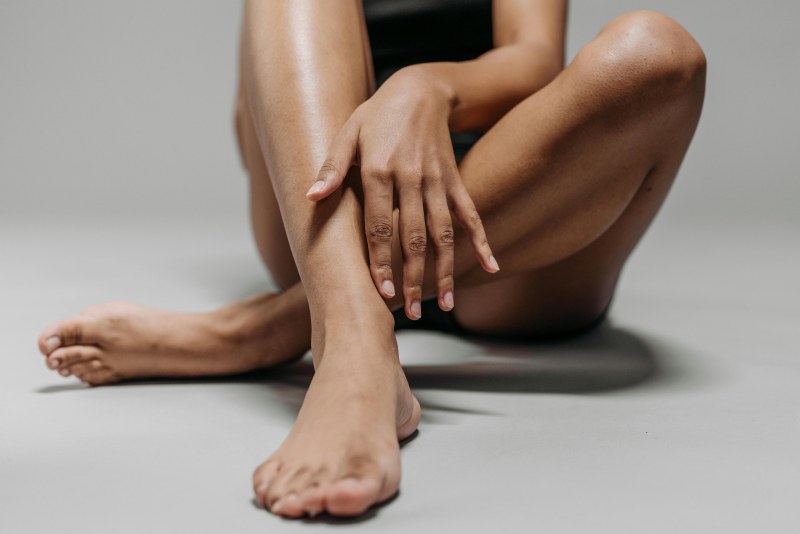
Last month, my friend Jake—an avid weekend hiker—spent three days trekking through the Rockies without stopping to stretch or rest properly. By the fourth day, his knees were so sore he could barely walk. He learned the hard way what every athlete knows (or should): recovery is just as important as the workout itself. Let’s break down four key recovery methods to help you avoid Jake’s mistake and keep your body performing at its best.
Why Recovery Matters
Recovery is the process your body uses to repair muscle tissue, replenish energy stores, and reduce inflammation after exercise. Skipping it can lead to fatigue, injury, and plateaued performance. Think of it like charging a battery—you can’t keep using it without plugging it in.
“Rest is not idleness, and to lie sometimes on the grass under trees on a summer's day, listening to the murmur of water, or watching the clouds float across the sky, is by no means a waste of time.” — John Lubbock
This quote reminds us that rest isn’t lazy—it’s a necessary part of recharging both body and mind, especially for athletes.
4 Key Recovery Methods: Pros, Cons & When to Use
Not all recovery methods are created equal. Below is a breakdown of four popular options, along with a comparison table to help you choose the right one for your needs.
1. Passive Rest
Passive rest is exactly what it sounds like: doing nothing. This includes sleeping, sitting, or lying down. It’s the most basic form of recovery and gives your body time to heal without extra strain.
2. Active Recovery
Active recovery involves low-intensity exercise like walking, yoga, or swimming. It increases blood flow to sore muscles, which helps reduce inflammation and speed up healing.
3. Foam Rolling
Foam rolling is a form of self-myofascial release. It uses pressure to break up tight muscle knots (fascia) and improve flexibility. Many athletes use it before or after workouts to prevent soreness.
4. Cold Therapy
Cold therapy (like ice baths or cold compresses) reduces inflammation by constricting blood vessels. It’s often used after intense workouts to ease muscle soreness.
Here’s a quick comparison of the four methods:
| Method | Pros | Cons | Best For |
|---|---|---|---|
| Passive Rest | Easy to do; no equipment needed | May not speed up recovery as much as active methods | Post-intense workouts or when feeling exhausted |
| Active Recovery | Boosts blood flow; improves flexibility | Requires some energy; not ideal for extreme fatigue | Light to moderate workout days or post-workout cool-down |
| Foam Rolling | Targets tight knots; improves range of motion | Can be painful initially; requires proper technique | Pre-workout warm-up or post-workout soreness relief |
| Cold Therapy | Reduces inflammation quickly; eases acute soreness | Uncomfortable for some; not recommended for certain conditions (e.g., Raynaud’s) | Post-high-intensity workouts or acute injuries |
Real-Life Example: Sarah’s Recovery Journey
Sarah is a 32-year-old weekend soccer player who used to skip recovery. She’d play a game on Saturday and then spend Sunday on the couch, feeling stiff and sore by Monday. After talking to a trainer, she started incorporating active recovery (a 30-minute walk) and foam rolling into her routine. Within two weeks, her soreness decreased, and she noticed she had more energy during games. “I used to think recovery was just sitting around,” she says. “Now I know it’s an active part of getting better.”
FAQ: Common Recovery Questions
Q: Do I need to use all four recovery methods every time?
A: No! The best recovery plan depends on your workout type, intensity, and body’s needs. For example, after a long run, you might combine passive rest (sleep) with cold therapy. On a light workout day, active recovery or foam rolling might be enough.
Final Thoughts
Recovery isn’t an afterthought—it’s a critical part of any fitness routine. By understanding these four methods and when to use them, you can keep your body healthy, avoid injuries, and perform at your best. Remember: even the best athletes take time to rest and recharge.