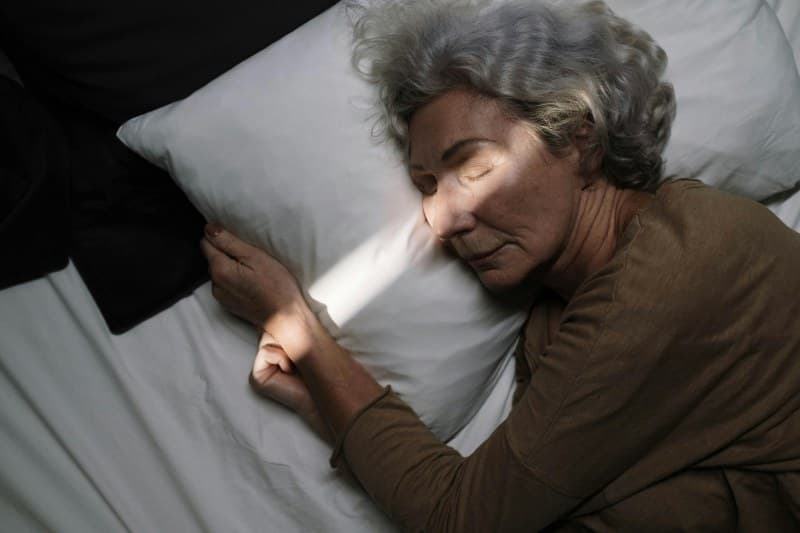
Ever tossed and turned all night, wondering why you can’t fall asleep—even though you’re exhausted? You might be overlooking the small things in your bedroom that are sabotaging your rest. Let’s break down the four most impactful sleep environment factors and how to tweak them for deeper, more refreshing sleep.
The 4 Key Sleep Environment Factors
1. Temperature: Cool is Key 🌡️
Your body’s core temperature drops as you prepare for sleep. If your room is too warm, this drop is harder to achieve, making it harder to drift off. The ideal sleep temperature is between 60–67°F (15–19°C). Common mistake? Cranking the heater to 72°F or higher—this can leave you sweating and restless.
2. Light: Darken to Doze 🌙
Blue light from phones, TVs, and even LED bulbs suppresses melatonin, the hormone that regulates sleep. Even a small amount of light (like a charging phone screen) can disrupt your cycle. Blackout curtains or eye masks help block external light, while dimming lights an hour before bed signals your body to wind down.
3. Noise: Quiet or Consistent 🔇
Sudden noises (like a car horn or a neighbor’s dog) jolt you out of deep sleep. But consistent, low-level noise (like white noise from a fan or machine) can mask these disruptions. Contrary to myth, complete silence isn’t always best—some people sleep better with a steady background sound.
4. Mattress & Pillows: Support Your Body 🛏️
A worn-out mattress (over 7–10 years old) or the wrong pillow can cause aches and pains that wake you up. Your mattress should support your spine’s natural curve, and your pillow should keep your neck aligned with your back. For side sleepers, a thicker pillow works best; back sleepers need a flatter one.
Ideal vs. Common Mistakes: A Quick Comparison
| Factor | Ideal Choice | Common Mistake |
|---|---|---|
| Temperature | 60–67°F (15–19°C) | Room too warm (72°F+) |
| Light | Dark room, no blue light 1hr before bed | Using phone/TV right before sleep |
| Noise | Consistent low noise or silence | Ignoring sudden disruptions (no white noise) |
| Mattress/Pillows | Supportive, less than 10 years old | Worn-out mattress/pillow (over 10 years) |
A Classic Take on Sleep
“Sleep is the best meditation.” — Dalai Lama
This quote reminds us that sleep isn’t just about rest—it’s a way to reset our minds and bodies. A well-tuned sleep environment makes this meditation easier, letting us wake up feeling calm and refreshed.
Real-Life Example: Sarah’s Sleep Turnaround
Sarah, a 32-year-old teacher, struggled with waking up 2–3 times a night for months. She tried cutting caffeine and going to bed earlier, but nothing worked. Then she realized her room was always 73°F, and her 12-year-old mattress had a dip in the middle. She adjusted her thermostat to 65°F, bought a new memory foam mattress, and started using blackout curtains. Within a week, she was sleeping through the night and waking up energized.
FAQ: Your Sleep Environment Questions Answered
Q: Can white noise help even if I’m a light sleeper?
A: Yes! White noise masks sudden, sharp sounds (like a door slamming) that would otherwise wake you. Many light sleepers find that a fan or white noise machine helps them stay asleep longer.
Small changes to your sleep environment can make a big difference. Try adjusting one factor this week—like lowering your room temperature—and see how it affects your rest. Sweet dreams! 🌙