Last month, my friend Lila told me she felt like a stranger in her own home. Her 14-year-old son, Javi, would come home from school, grab a snack, and retreat to his room without saying a word. She tried asking about his day, but got one-word answers: 'Fine.' 'Okay.' 'Nothing.' She wondered if she was doing something wrong. If you’ve ever felt this way with your teen, you’re not alone.
Common Myths About Parent-Teen Communication (And Why They’re Wrong)
Let’s start by busting two persistent myths that keep parents stuck:
- Myth 1: Teens don’t want to talk to their parents. A 2022 study by the Pew Research Center found that 60% of teens say they enjoy talking to their parents about important issues—they just don’t always know how to initiate the conversation.
- Myth 2: Silence means they’re mad at you. Teens’ brains are still developing, so they often need time to process emotions. Silence can be a way to recharge, not a sign of anger.
4 Gentle Strategies to Bridge the Gap
1. The "No-Question" Check-In 💬
Instead of bombarding your teen with direct questions, try sharing a small, personal moment first. For example: "I had a weird day at work—my coffee spilled all over my notebook." This invites them to respond without feeling put on the spot. Lila tried this: she mentioned her cat knocking over a potted plant. Javi laughed and said, "My math teacher did that with his water bottle yesterday." That one line led to a 10-minute chat about his class.
2. Do an Activity Together (No Talking Required) 🎮
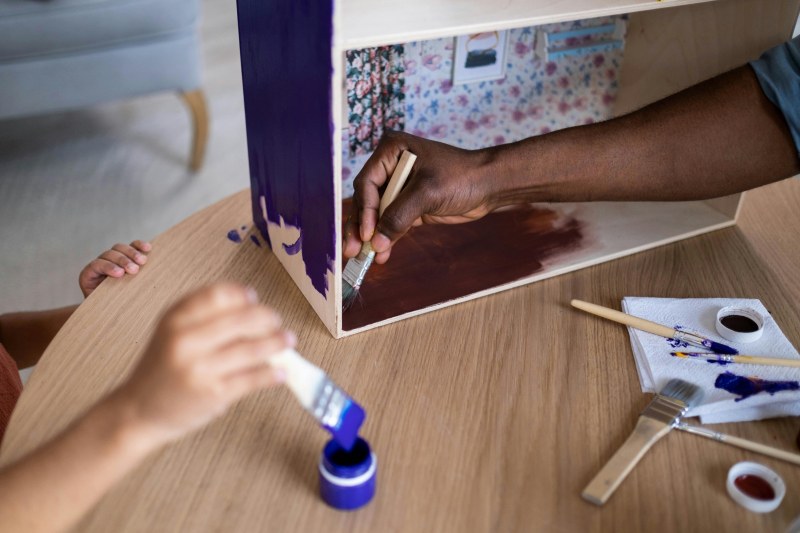
Teens often open up when they’re not in the spotlight. Try a low-pressure activity like playing a video game, baking cookies, or walking the dog. A dad I know started playing Minecraft with his 15-year-old daughter. After a few weeks, she started talking about her friend drama while they built a castle—no questions asked.
3. Use "I" Statements Instead of "You" Blames 🧘
Defensiveness kills conversation. Replace "You never talk to me" with "I feel sad when we don’t get to chat." This shifts the focus to your feelings instead of their actions. A mom I spoke to changed her line from "You’re always on your phone" to "I miss our time together—can we put phones away for 10 minutes after dinner?" Her teen agreed immediately.
4. Respect Their Space (But Let Them Know You’re There) 🏠
Teens crave privacy, but they also need to know you’re available. Leave a note on their door: "I made your favorite snack—let me know if you want to share." Or send a text: "Saw this meme and thought of you." Small gestures like these build trust over time.
How the Strategies Stack Up
Here’s a quick comparison to help you pick the right approach for your teen:
| Strategy | Effort Level | Best For | Time Commitment |
|---|---|---|---|
| No-Question Check-In | Low | Teens who shut down with direct questions | 5-10 minutes daily |
| Shared Activity | Medium | Teens who prefer doing over talking | 15-30 minutes 2-3x/week |
| "I" Statements | Medium (requires practice) | Teens who get defensive easily | 10-15 minutes during calm moments |
| Respect Space + Check-In | Low | Teens who value privacy | 5 minutes (note/text) daily |
Wisdom to Remember
"We have two ears and one mouth so that we can listen twice as much as we speak." — Epictetus
This ancient quote is gold for parent-teen communication. When your teen does talk, resist the urge to give advice right away. Just listen. Lila said Javi once ranted about his friend for 10 minutes—she didn’t interrupt, just nodded. After that, he started opening up more often.
Quick Q&A: Common Concerns
Q: What if my teen still doesn’t open up after trying these strategies?
A: Be patient. Change takes time. Keep showing up consistently—even small gestures send a message that you care. If you’re worried about their mental health, consider talking to a school counselor or trusted adult they respect.
Parenting a teen isn’t about having perfect conversations. It’s about building a relationship where your teen feels safe to talk when they’re ready. Small steps, like the ones above, can go a long way.