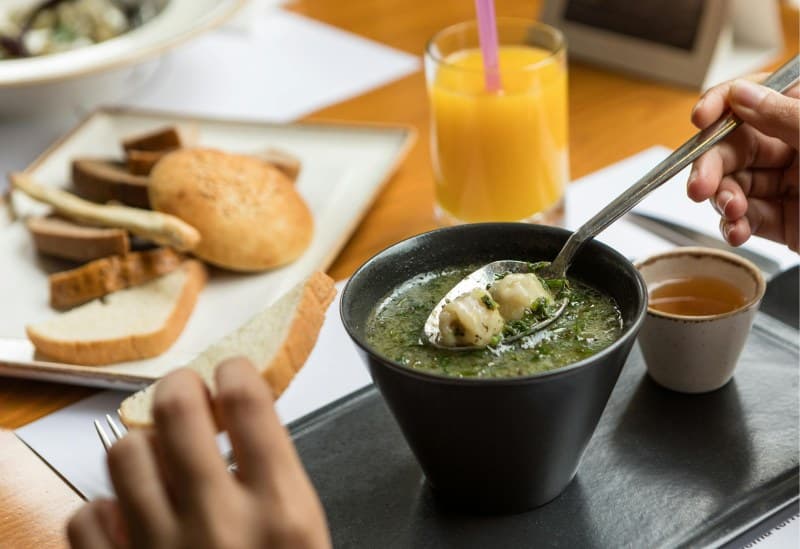
Last winter, I tried to make tomato soup for my roommate. I skipped sautéing the onions (too lazy), dumped in a can of tomatoes and a ton of water, and let it boil. The result? Watery, bland, and slightly bitter. She smiled and said it was "cozy," but I knew better. That day, I learned soup isn’t just throwing ingredients into a pot—it’s about small, intentional steps.
The 4 Mistakes That Sabotage Your Soup 🍲
1. Skipping the Base Sauté
Most soups start with a mirepoix—onion, carrot, celery—or aromatics like garlic and ginger. Skipping sautéing these first means you miss out on deep, caramelized flavor. I made this mistake with my tomato soup: raw onions gave it a sharp, unpleasant bite.
Fix: Heat a little oil in the pot, add your aromatics, and cook until soft (5-7 mins). Don’t burn them—golden brown is perfect.
2. Overwatering or Using the Wrong Liquid
Adding too much water dilutes every flavor. And plain water can’t compete with the depth of broth (chicken, vegetable, or even mushroom). My tomato soup had way too much water, so the tomato taste was lost.
Fix: Use low-sodium broth (so you control salt) and add liquid gradually. If it’s too thick later, you can add more—but you can’t take it away.
3. Overcooking Vegetables
Ever had soup with mushy carrots or limp spinach? Overcooking breaks down veggies, making them tasteless and soggy. I once left lentil soup on the stove too long—all the veggies turned to mush.
Fix: Add hard veggies (carrots, potatoes) first, then softer ones (spinach, peas) in the last 5 mins. For lentils or beans, cook them separately if needed.
4. Forgetting to Season in Layers
Seasoning only at the end is a big no-no. Flavor builds as you cook: season the aromatics, then the liquid, then adjust at the end. I used to add salt only at the end—my soup always tasted flat.
Fix: Add a pinch of salt to the sautéed veggies, a little more to the broth, then taste and adjust before serving. Don’t forget pepper or herbs like thyme or basil!
Soup Type Cheat Sheet: Do’s & Don’ts
Not all soups are the same—here’s a quick guide to common types:
| Soup Type | Key Do | Key Don’t |
|---|---|---|
| Tomato | Sauté garlic and onions until golden before adding tomatoes. | Don’t boil tomatoes—simmer for 20 mins to bring out sweetness. |
| Chicken Noodle | Cook noodles separately to avoid mushy soup. | Don’t overcook chicken—shred it and add at the end. |
| Lentil | Rinse lentils to remove dirt and reduce foam. | Don’t add salt until lentils are tender (it slows cooking). |
| Pumpkin | Roast pumpkin first for a rich, smoky flavor. | Don’t use canned pumpkin pie filling (it has sugar and spices). |
A Classic Take on Soup
“Soup is a lot like a family. Each ingredient enhances the others; each batch has its own character.” — Julia Child
Julia Child was right—soup is about balance. Every ingredient plays a role, and skipping one or rushing a step throws off the whole dish. My tomato soup lacked that balance, but once I started following these tips, my soups became a hit.
FAQ: Quick Soup Rescues 💡
Q: My soup is too salty—what can I do?
A: Add a peeled potato (it absorbs excess salt) or a splash of unsalted broth/coconut milk. Let it simmer for 10 minutes, then remove the potato. This works for most soups!
Q: My soup is too thin—how to thicken it without flour?
A: Mix 1 tablespoon of cornstarch with 2 tablespoons of cold water (this is called a slurry). Stir it into the soup and simmer for 5 minutes until it thickens. You can also blend a small portion of the soup and add it back.
Next time you make soup, take a little extra time—sauté those aromatics, use broth instead of water, and season in layers. Your taste buds (and your roommates) will thank you!