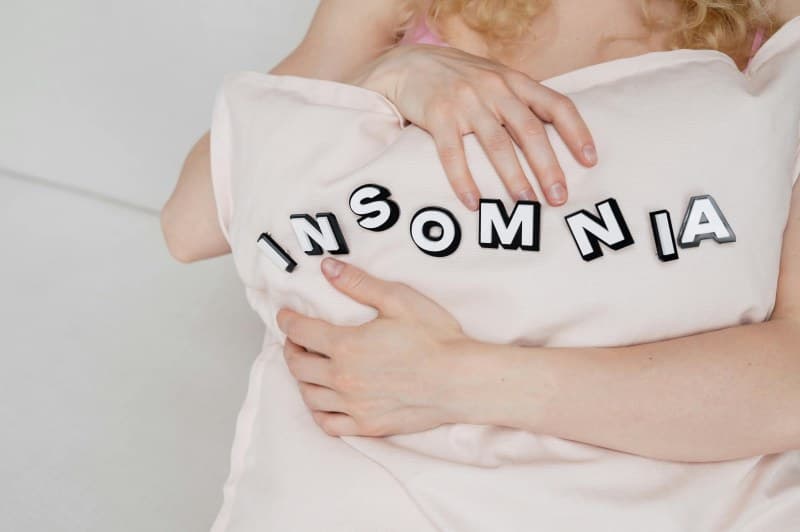
It’s 11:30 PM, and you’re staring at the ceiling, mentally calculating how many hours you’ll get if you fall asleep right now. Did you skip that afternoon nap because you thought it would ruin your night? Or are you counting sheep like your grandma taught you, even though it never works? You’re not alone—many of us cling to sleep myths that do more harm than good.
Myth 1: You Must Get Exactly 8 Hours of Sleep Every Night
Let’s talk about Sarah, a 32-year-old teacher who obsessed over hitting the 8-hour mark. If she got 7 hours and 45 minutes, she’d spend the next day feeling guilty and exhausted, convinced she’d “failed” at sleep. But here’s the truth: sleep needs vary. The National Sleep Foundation recommends 7-9 hours for adults, but some people thrive on 6, while others need 10.
Quick fix: Instead of fixating on 8 hours, track your natural sleep cycle. Go to bed when you’re tired and wake up without an alarm (on weekends) to see how much sleep your body actually needs.
Myth 2: Daytime Naps Ruin Nighttime Sleep
Mike, a freelance writer, stopped napping after hearing it would make him stay up late. But he found himself crashing at 3 PM, unable to focus on his work. The science says short naps (20-30 minutes) are actually beneficial—they boost alertness and mood without interfering with nighttime sleep. Long naps (over an hour) can lead to grogginess and disrupt your cycle, but short ones are safe.
Quick fix: Set a timer for 25 minutes. Keep your nap area cool and dark, and avoid napping after 3 PM.
Myth 3: Counting Sheep Helps You Fall Asleep
Lisa, a college student, counted sheep for years whenever she couldn’t sleep. But she noticed it kept her mind active—she’d start thinking about how many sheep she’d counted, or what they looked like. Studies show that counting sheep is too monotonous to distract your brain from racing thoughts. Instead, engaging in a calm, visual activity (like imagining a peaceful beach) is more effective.
Quick fix: Try progressive muscle relaxation—tense and release each muscle group from your toes to your head. Or listen to soft, instrumental music.
3 Sleep Myths: A Quick Comparison
Here’s a breakdown of the myths, their truths, and easy fixes:
| Myth | Common Belief | Science-Backed Truth | Quick Fix |
|---|---|---|---|
| 8 Hours Exact | You need exactly 8 hours nightly to be healthy. | 7-9 hours is the range; individual needs vary. | Track your natural sleep cycle. |
| Daytime Naps Are Bad | Napping during the day will keep you up at night. | Short (20-30 min) naps boost energy without disruption. | Set a 25-minute timer for naps. |
| Counting Sheep Works | Counting sheep helps you fall asleep fast. | It keeps your mind active; calm visualization is better. | Try progressive muscle relaxation. |
A Classic Quote to Guide Your Sleep
“Early to bed and early to rise, makes a man healthy, wealthy, and wise.” — Benjamin Franklin
Franklin’s words aren’t about rigidly sticking to a schedule, but about consistency. A regular sleep routine—even if it’s not 8 hours exactly—helps your body’s internal clock stay balanced, leading to better rest.
FAQ: Is It Okay to Sleep In on Weekends?
Q: I work 9-5 during the week and sleep 6 hours, so I sleep 10 hours on weekends. Is that bad?
A: It’s better to keep a consistent sleep schedule. Sleeping in on weekends can disrupt your circadian rhythm, leading to “social jet lag” (feeling groggy on Monday mornings). Try to wake up within 1-2 hours of your weekday time even on weekends.
Final Thoughts
Sleep is personal—what works for one person might not work for another. Let go of these myths, listen to your body, and create a sleep routine that fits your lifestyle. You don’t need to be perfect; you just need to be consistent.