Last year, I signed up for a fancy cooking class in Oaxaca, Mexico—only to have the instructor cancel at the last minute. A local friend, Maria, saw my disappointment and said, “Come with me.” She took me to her grandma’s tiny kitchen, where three generations of women were rolling tamales. For three hours, I fumbled with corn husks, laughed at my lumpy tamales, and learned why they add a pinch of cinnamon to the masa (it’s a family secret). That day, I didn’t just learn to cook— I felt like part of the family. It made me realize: the best cultural experiences aren’t always the ones you book online.
Two Unexpected Ways to Connect With Local Culture
Most travelers stick to guided tours or tourist-friendly markets. But these two approaches let you step into the daily lives of locals—without breaking the bank.
1. Join a Community Project
Community projects are a win-win: you give back, and you get to work alongside locals. On a trip to Bali, I volunteered at a rice terrace restoration project. We spent the morning clearing weeds and repairing irrigation channels. Over lunch (a simple meal of nasi goreng shared with the farmers), I learned how their ancestors designed the terraces to prevent flooding. The farmers didn’t speak much English, but we communicated through smiles and hand gestures. By the end of the day, I had a new appreciation for Bali’s agricultural heritage.
2. Follow a Local’s Daily Routine
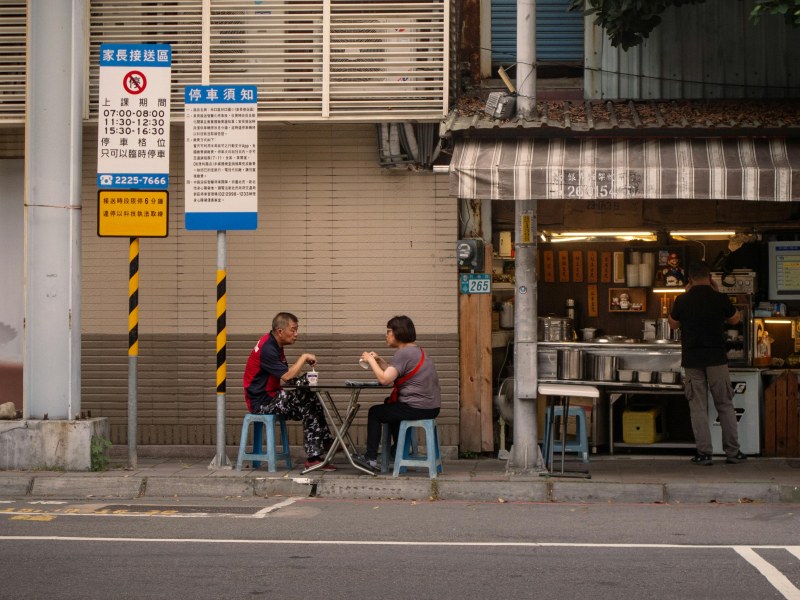
Ask a local if you can shadow them for a few hours. On a trip to Tokyo, my Airbnb host, Yuki, invited me to join her morning routine. We walked to a neighborhood market where she bought fresh fish and miso, then stopped at a tiny café for matcha latte. Later, we joined a group of seniors doing tai chi in a park. I didn’t see any famous landmarks that day, but I got to see how Tokyo locals start their days—quiet, intentional, and full of small joys.
How Do These Approaches Compare?
Here’s a quick breakdown of the two ways to help you choose:
| Approach | Effort Level | Time Commitment | Cost | Cultural Impact |
|---|---|---|---|---|
| Community Project | Medium (physical work may be involved) | Half-day to full-day | Free or low-cost (sometimes includes meals) | High (deep dive into local traditions) |
| Local Routine Shadowing | Low (no physical work) | 2-3 hours | Cost of meals/drinks (if you join) | Medium (insight into daily life) |
Debunking Common Myths
Let’s bust two myths that hold travelers back from these experiences:
- Myth: Locals don’t want to interact with tourists.
Fact: Most locals are proud to share their culture—if you’re respectful. Yuki told me she loves showing visitors her neighborhood because it’s a way to preserve her community’s traditions. - Myth: You need to speak the local language.
Fact: Body language and translation apps go a long way. In Bali, I used Google Translate to ask about the rice terraces, and the farmers were happy to explain (with lots of hand gestures).
“The world is a book, and those who do not travel read only one page.” — St. Augustine
This quote reminds me that travel isn’t just about seeing places—it’s about understanding people. These two approaches let you read more pages of the world’s book, one local interaction at a time.
FAQ: Your Questions Answered
Q: How do I find community projects to join?
A: Look for small, community-run organizations (avoid big NGOs that cater to tourists). Websites like Workaway or HelpX connect travelers with local projects. You can also ask your hotel or Airbnb host for recommendations.
Q: Is it rude to ask a local to shadow their routine?
A: Be polite and clear about your intentions. Say something like, “I’m curious about how locals spend their mornings—would you mind if I joined you for a bit?” Most people will say yes if you’re genuine.
Next time you travel, skip the tourist traps. Try joining a community project or shadowing a local. You’ll come home with stories, not just souvenirs.