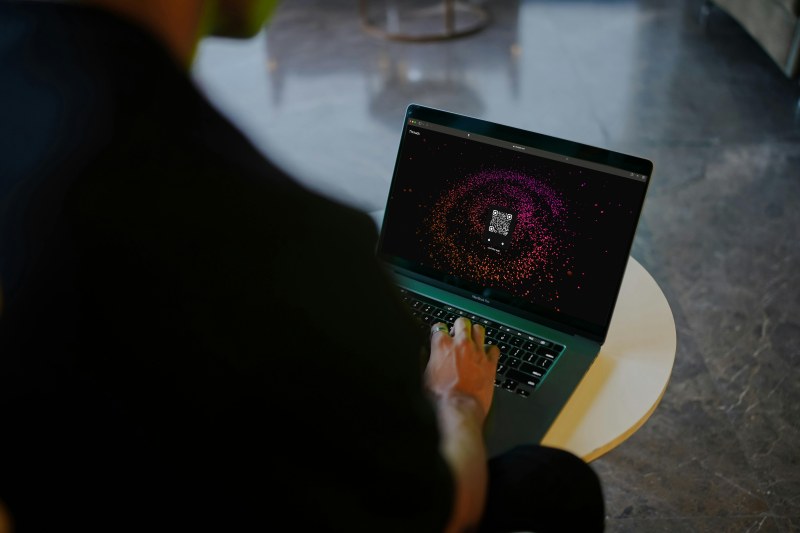
Last week, I stayed up scrolling through my phone until 11 PM, even though I knew I needed to wake up early. When I finally put it down, I lay awake for an hour—my mind racing with the memes, news, and work emails I’d just seen. Sound familiar? Most of us know screen time before bed is bad, but do we really get why?
Two Underrated Ways Screen Time Messes With Your Sleep
1. Blue Light: Suppressing Your Sleep Hormone
You’ve probably heard about blue light, but here’s the real deal: screens emit blue light that mimics natural daylight. This tricks your brain into thinking it’s still daytime, so it suppresses melatonin—the hormone that tells your body it’s time to sleep. Even a 30-minute scroll can delay melatonin production by an hour or more.
2. Cognitive Arousal: Your Brain Can’t Switch Off
Blue light isn’t the only culprit. Scrolling through social media, reading work messages, or watching a thrilling show keeps your brain in “active mode.” Your prefrontal cortex (the part that handles decision-making and attention) stays engaged, making it hard to transition to the relaxed state needed for sleep. Even if you use a blue light filter, this mental stimulation can derail your rest.
Let’s break down these two factors side by side:
| Factor | How It Disrupts Sleep | Example Scenario | Quick Fix |
|---|---|---|---|
| Blue Light | Suppresses melatonin production | Scrolling on your phone 20 mins before bed | Use warm light settings or blue light filters |
| Cognitive Arousal | Keeps brain active, delaying relaxation | Reading a stressful work email at 10 PM | Avoid engaging content (news, social media) before bed |
“Early to bed and early to rise makes a man healthy, wealthy, and wise.” — Benjamin Franklin
While Franklin didn’t have smartphones to worry about, his wisdom highlights the value of consistent sleep. Today, screen time is one of the biggest barriers to that consistency.
Science-Backed Fixes to Cut Screen Time’s Sleep Impact
- Screen-free wind-down: Spend 30–60 minutes before bed doing non-screen activities—like reading a physical book, stretching, or sipping herbal tea. This gives your brain time to relax.
- Adjust device settings: Turn on “night mode” or “warm light” on your phone/tablet. These settings reduce blue light exposure in the evening.
- Keep devices out of the bedroom: Charge your phone outside your room, or use an old-fashioned alarm clock instead of your phone. This eliminates the temptation to scroll when you can’t sleep.
Common Q&A: Is Blue Light Filter Enough?
Q: I use a blue light filter on my phone—does that mean I can scroll before bed without issues?
A: Not exactly. While filters reduce blue light exposure, they don’t eliminate cognitive arousal. If you’re scrolling through stressful news or engaging social media, your brain stays active. Filters help, but pairing them with a screen-free wind-down is the best way to protect your sleep.
Myth Busting: What You Think You Know About Screens and Sleep
Myth: Only late-night screen time matters
Fact: Even using screens in the evening (like 8 PM) can affect melatonin levels. The earlier you limit screen time, the better your sleep quality.
Myth: All screens are equally bad
Fact: TVs are farther away from your eyes, so their blue light impact is less than phones or tablets held close. But cognitive arousal still applies—watching a tense movie on TV before bed can be just as disruptive as scrolling on your phone.
At the end of the day, small changes to your screen habits can make a big difference in how well you sleep. Try one fix this week—like keeping your phone out of the bedroom—and see how you feel.