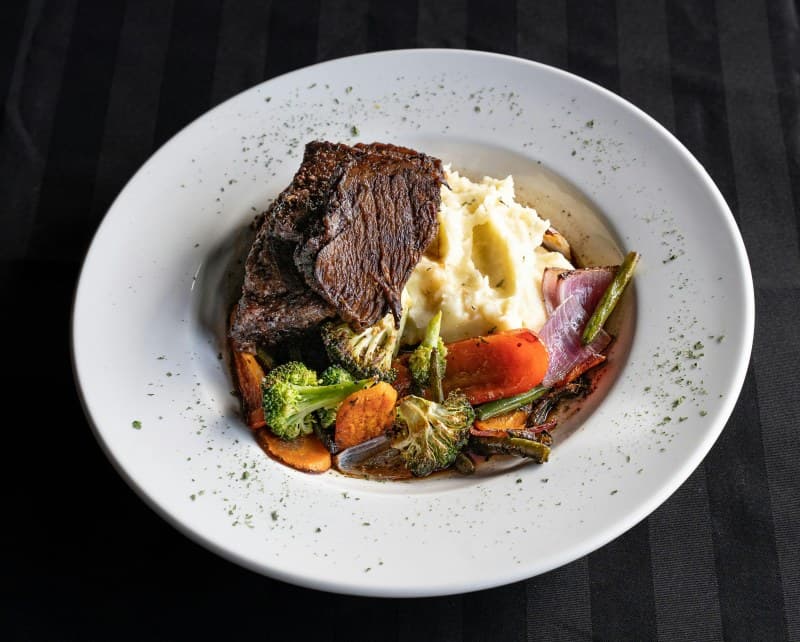
Last year, I tried to make mashed potatoes for my family’s Christmas dinner. I boiled some potatoes, mashed them with a fork, added a bit of cold milk… and ended up with a lumpy, gluey mess. My cousin joked they looked like “potato paste.” I knew I needed to fix this, so I experimented with two methods that changed how I make mashed potatoes forever.
The Two Key Methods to Creamy Mashed Potatoes 🥔
There are two go-to methods for making restaurant-worthy mashed potatoes. Each has its own perks, so pick the one that fits your time and taste.
Method 1: Boiling & Mashing (Traditional)
This is the classic method most people start with. Here’s how to do it right: Peel and cut potatoes into 1-inch chunks (so they cook evenly). Boil in salted water until a fork slides through easily (15-20 minutes). Drain completely (watery potatoes = lumpy results). Mash with a potato masher or ricer (avoid blenders—they over-process). Add warm milk or butter, stirring gently until smooth.
Method 2: Roasting & Ricing (Rich & Fluffy)
For a deeper, nuttier flavor, try roasting. Cut potatoes into 2-inch chunks (no need to peel if you like skin). Toss with olive oil, salt, and garlic. Roast at 400°F (200°C) for 30-40 minutes until soft inside. Scoop out the flesh (or leave skin for texture) and rice it. Add warm heavy cream or melted butter for extra richness.
Here’s how the two methods stack up:
| Method | Pros | Cons | Best For |
|---|---|---|---|
| Boiling & Mashing | Quick (20-30 mins), easy, uses basic tools | Less depth of flavor, risk of lumps if over-mashed | Weeknight dinners, busy schedules |
| Roasting & Ricing | Rich, nutty flavor, ultra-fluffy texture | Takes longer (40-50 mins), uses oven | Special occasions, potlucks |
Common Mistakes to Avoid 💡
Even the best methods can go wrong if you skip these steps:
- Over-mashing: Too much mashing breaks down potato starch, leading to gluey potatoes. Stop when they’re smooth—don’t keep going!
- Cold dairy: Adding cold milk or butter to hot potatoes shocks them, causing lumps. Warm your dairy first (microwave for 30 seconds or heat on the stove).
- Not salting the water: Potatoes absorb flavor from the water. If you skip salt, your mashed potatoes will taste bland.
Julia Child once said, “I think the potato is the most versatile vegetable in the world.” And when it comes to mashed potatoes, that versatility shines—if you avoid the common pitfalls.
Pro Tips for Perfect Texture
Want to take your mashed potatoes to the next level? Try these:
- Use starchy potatoes like Russets for fluffy results, or Yukon Golds for a creamier, buttery texture.
- Add a splash of sour cream or cream cheese for extra tang and richness.
- For a hint of flavor, stir in roasted garlic, chives, or parmesan cheese.
Let me share a quick story: A few months after my Christmas disaster, I used the roasting method for a friend’s potluck. I roasted Russet potatoes with garlic and rosemary, then riced them with warm heavy cream. The result? Fluffy, creamy potatoes with a smoky, garlicky taste. One friend asked if I’d bought them from a fancy restaurant—total win!
FAQ: Your Mashed Potato Questions Answered
Q: Can I make mashed potatoes ahead of time?
A: Yes! Make them up to 2 days in advance. Store in an airtight container in the fridge. When ready to serve, reheat in the microwave (stir in a bit of milk to loosen) or on the stove over low heat.
Q: What if I don’t have a potato ricer?
A: A potato masher works fine—just be gentle. Avoid using a blender or food processor, as they’ll make the potatoes gluey.