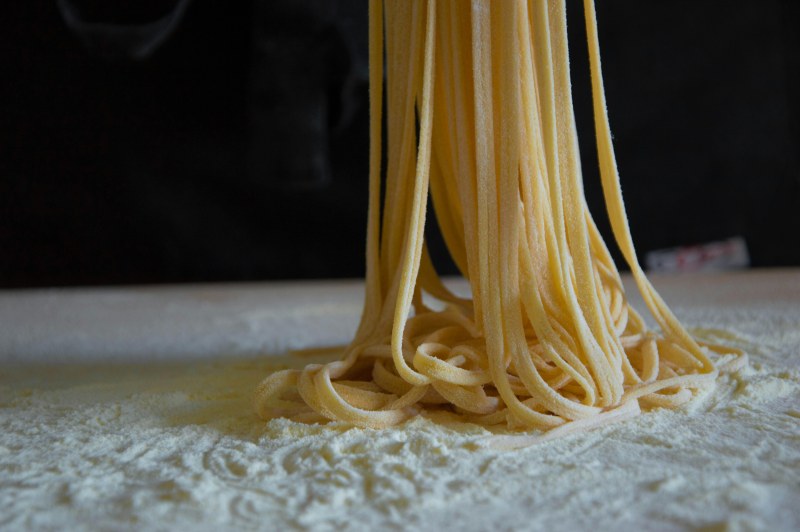
Last summer, I swapped my usual 10-city European sprint for a 5-day stay in a hilltop Tuscan village. Instead of rushing to snap photos of the Duomo, I spent mornings helping a local nonna knead fresh pasta and afternoons wandering olive groves with her grandson. By the end, I didn’t just see Tuscany—I tasted its bread, heard its stories, and felt like part of the community. That’s the magic of slow travel: it turns a trip into a memory that sticks.
The Two Core Styles of Slow Travel ✈️
Slow travel isn’t one-size-fits-all. It splits into two main styles, each with its own vibe and benefits. Let’s break them down:
Here’s how the two styles compare:
| Style | Pros | Cons | Best For |
|---|---|---|---|
| Deep Dive Stay | Builds long-term local connections; reduces travel stress; lets you explore hidden spots | Limits how many places you can visit; may feel "boring" to fast-paced travelers | People who want to feel like a local; remote workers (digital nomads) |
| Local Immersion | Quick way to experience daily life; flexible (works for short trips); hands-on fun | Requires research to find authentic activities; may not build deep bonds | Weekend travelers; families with kids; first-time slow travelers |
Deep Dive Stay
A deep dive stay means spending 3+ days in one small location—think a village, a neighborhood, or even a single guesthouse. It’s about settling in: you might shop at the same market every day, chat with the barista at your local café, or join a weekly community event. For example, a friend of mine spent a month in a coastal town in Portugal. She learned to surf from a local instructor, helped at a beach cleanup, and even started a book club with other long-term visitors. By the end, she had a list of go-to spots only locals knew about.
Local Immersion
Local immersion is about participating in daily life, even if you’re only in a place for a day or two. It could be taking a cooking class with a local family, joining a farm tour, or helping with a traditional craft. On a recent trip to Mexico City, I signed up for a tortilla-making workshop. The instructor, Doña Maria, taught me how to press corn dough by hand and shared stories about her family’s tortilla business. It was a 2-hour activity, but it gave me a way deeper understanding of Mexican culture than any museum visit.
Why Slow Travel Matters (And A Classic Quote)
Slow travel isn’t just a trend—it’s a way to connect with the world more meaningfully. As travel writer Pico Iyer once said:
"Slow travel is the opposite of the ‘if it’s Tuesday, it must be Belgium’ approach. It’s about taking the time to get to know a place, not just check it off a list."
This quote hits home because it reminds us that the best travel moments aren’t the ones we plan—they’re the unscripted ones: a random conversation with a stranger, a meal shared with locals, or a sunset you watch without rushing to the next spot.
Common Questions About Slow Travel
Q: Can I do slow travel on a budget?
A: Absolutely! Slow travel often saves money. Staying in one place cuts down on transportation costs (no train or plane tickets between cities). Eating at local markets or family-run restaurants is cheaper than tourist traps. And many immersive activities—like walking tours, park visits, or community events—are free or low-cost. For example, a 3-day stay in a small Spanish town might cost less than a 1-day trip to Barcelona, thanks to lower accommodation and food prices.
Q: Is slow travel only for people with lots of time?
A: No! Even a long weekend can be slow. Instead of visiting 3 attractions in one day, pick one and explore it deeply. For instance, spend a Saturday in a nearby small town: visit the local museum, have lunch at a family café, and take a walk along the river. You’ll leave feeling more refreshed than if you’d rushed through a dozen places.
How To Start Your First Slow Travel Trip
Ready to try slow travel? Here are a few tips to get you started:
- Pick a small destination: Skip the big cities (for now) and choose a village or neighborhood.
- Plan less: Leave gaps in your schedule for unplanned adventures.
- Talk to locals: Ask your guesthouse host for recommendations, or strike up a conversation at a café.
- Do one immersive activity: Sign up for a class, tour, or volunteer opportunity.
Slow travel isn’t about how much you see—it’s about how much you feel. Whether you’re spending a week in a Tuscan village or a weekend in a nearby town, taking the time to slow down will make your trip unforgettable.