Ever stood over a pot of rice, wondering why it’s either mushy enough to glue paper or so dry it crumbles like sand? I’ve been there—once, I tried to make sushi rice using the same method as my mom’s fried rice, and let’s just say the rolls fell apart faster than a sandcastle in the rain. Turns out, the secret to perfect rice isn’t one-size-fits-all; it’s knowing which method to use for the texture you want.
The Two Essential Rice Cooking Methods
There are two go-to methods for cooking rice that cover almost every dish: absorption and boiling. Let’s break them down.
Absorption Method (Stovetop Staple)
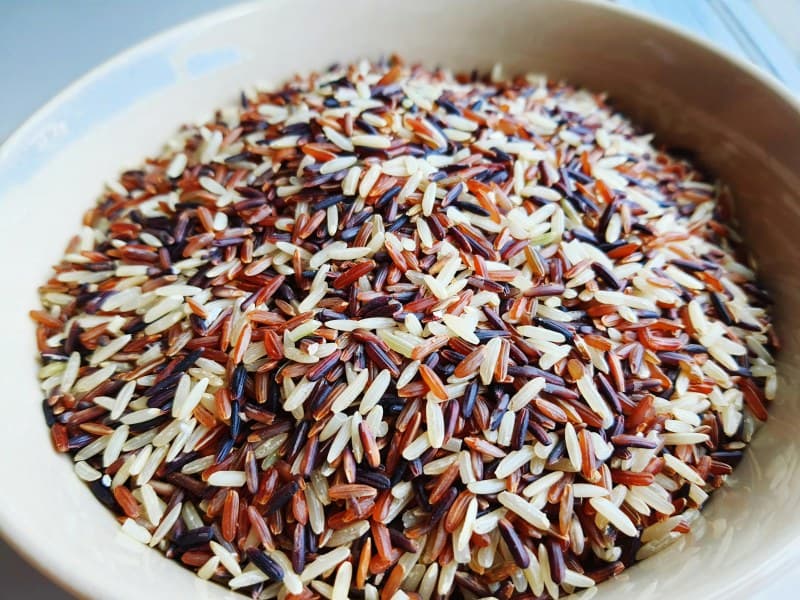
This is the method most of us learn first. You measure a specific ratio of rice to water (usually 1:1.5 for white rice), bring it to a boil, then simmer with the lid on until all water is absorbed. The rice steams in its own moisture, resulting in fluffy, separate grains.
Boiling Method (Pasta-Style)
Think of this like cooking pasta: you boil a large pot of salted water, add rice, and cook until it’s al dente. Then drain the excess water. This method gives you control over doneness and is great for sticky rice (like sushi) or rice that needs to hold its shape.
Here’s how the two methods stack up:
| Method | Texture | Best For | Time (White Rice) | Pros | Cons |
|---|---|---|---|---|---|
| Absorption | Fluffy, separate grains | Curries, stir-fries, side dishes | 15-20 mins | Minimal cleanup, hands-off after simmering | Easy to overcook if ratio is off |
| Boiling | Sticky, firm grains | Sushi, rice bowls, cold rice salads | 10-15 mins | Precise doneness, no ratio stress | Requires draining, more water used |
Flavor Hacks to Elevate Your Rice
Both methods are blank canvases for flavor. Try these hacks:
- 🍚 Absorption Hack: Replace water with chicken or vegetable broth for depth. Add a clove of garlic or a bay leaf while simmering for extra aroma.
- 🍚 Boiling Hack: Toast the rice in a dry pan for 2-3 mins before boiling to bring out nutty flavors. For sushi rice, mix in rice vinegar, sugar, and salt right after draining.
“Rice is the staff of life.” – Japanese Proverb
This saying rings true because rice is a staple in so many cultures. Mastering these two methods means you can turn this simple grain into a star of any meal, whether it’s a comforting curry or a fancy sushi platter.
Last weekend, I used both methods to make a family dinner. For the chicken curry, I used the absorption method with coconut broth—fluffy rice that soaked up every drop of the creamy sauce. For the sushi rolls, I boiled short-grain rice, then mixed in vinegar-sugar-salt. The rolls held their shape perfectly, and everyone raved about how the rice tasted just like restaurant sushi.
Quick Q&A
Q: Can I use these methods for brown rice?
A: Yes! For absorption, use a 1:2 ratio of rice to water and cook for 40-45 mins. For boiling, cook brown rice for 25-30 mins before draining—just make sure it’s tender but not mushy.
Q: Is there a way to fix overcooked rice?
A: If it’s mushy, spread it on a baking sheet and bake at 350°F (175°C) for 5-10 mins to dry it out. For undercooked rice, add a splash of water and simmer a few more mins.
Whether you’re making a quick weeknight side or a special dish, these two methods will help you get rice right every time. No more mushy or dry disasters—just perfect texture, every single time.